



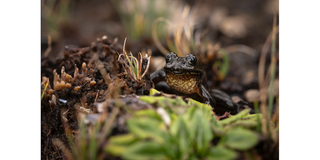
The discovery was made by the team at Altezza Travel, a Kilimanjaro-based tourism and climbing operator, during an ascent in June 2024. Recognizing the scientific potential of the sighting, the team promptly reported their observations to the Tanzania Wildlife Research Institute (TAWIRI), triggering a formal expedition to investigate the phenomenon further.
From February 20–25, 2025, a multidisciplinary team of scientists—including prominent amphibian specialist Professor Alan Channing from North-West University in South Africa—conducted an extensive field study across the alpine river systems between 3,500 and 4,000 meters on the mountain. The team succeeded in locating several specimens and collected tissue samples for DNA analysis.
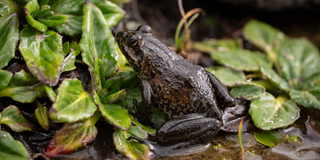
Subsequent laboratory testing in South Africa confirmed that the frogs belong to the Amietia wittei species, a stream-dwelling frog previously known to inhabit elevations up to only 3,000 meters. The Kilimanjaro discovery significantly extends the known ecological range of this species, offering new insights into amphibian adaptation, resilience, and survival strategies in harsh, high-altitude environments.
“This is a remarkable revelation for African herpetology,” Professor Channing stated. “We had no prior evidence that frogs could endure such extreme alpine conditions on the continent. This finding compels us to rethink the ecological limits of amphibians in tropical mountain ecosystems.”
Implications for Conservation and Ecotourism
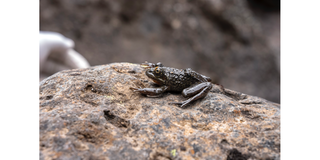
The discovery is not just a win for science—it carries major implications for biodiversity conservation, climate change research, and Tanzania’s nature-based tourism. Mount Kilimanjaro, already world-renowned for being Africa’s tallest mountain and a UNESCO World Heritage Site, has now added another extraordinary natural wonder to its name.
The revelation enhances the mountain’s global appeal to ecotourists, wildlife photographers, and biodiversity researchers. For trekkers and nature lovers, Kilimanjaro offers not only the challenge of summiting its iconic peak but also the chance to witness rare alpine flora and fauna that may include newly discovered or little-known species.
This discovery also strengthens the case for continued investment in scientific tourism, where climbers and tourists become key partners in contributing to environmental research and species monitoring. The collaboration between tour operators like Altezza Travel and research institutions like TAWIRI demonstrates the power of public-private partnerships in protecting Tanzania’s natural heritage.
TAWIRI officials have expressed enthusiasm about expanding research efforts in Kilimanjaro’s alpine zones and emphasized the importance of preserving these fragile high-altitude ecosystems, which are increasingly threatened by climate change, glacial retreat, and human encroachment.
As global biodiversity continues to decline, discoveries like this remind us that there are still many mysteries to uncover in Africa’s vast and diverse landscapes. With Mount Kilimanjaro now home to Africa’s highest-dwelling frog, Tanzania once again proves that it is not only rich in iconic wildlife but also in hidden natural treasures waiting to be explored.